Bringing a child home has a means of turning normal objects into possible hazards. A grape looks like a choking risk, a coffee table corner ends up being a head injury waiting to take place, and every coughing sounds immediate. That constant background fear belongs to early parent, yet it does not have to rule you. Strong, practical first aid training gives you something much much better than peace of mind: it gives you a plan.
Many new parents recognize they should reserve a first aid course, yet postpone it since energy and time are already extended thin. That is where express first aid and cpr training comes in. A concentrated, fast first aid course can furnish you with the most vital child care abilities in simply a few hours, without the fluff.
This post draws on what I have seen training first aid and cpr courses for households, child care workers, and health and wellness experts. I will concentrate on express childcare first aid alternatives, what they reasonably cover, what they miss out on, and just how new parents can make clever choices that fit active lives.
Why childcare first aid matters more than many people expect
Parents commonly tell me they desire first aid abilities "just in situation". In method, it is hardly ever a remote situation. In any type of group of young children, you can anticipate frequent bumps, cuts, fevers, and periodic scares. The bulk are small, yet a handful are not, and in those moments, the very first couple of minutes matter much more than lots of people realise.
Here are patterns I have seen consistently:
A kid chokes on a piece of sausage while the family eats at the dining table. A grownup who has actually taken a first aid and cpr course acknowledges the silent struggle, gets the youngster out of the highchair immediately, and provides back blows and chest thrusts properly. The food displaces in seconds. By the time the ambulance shows up, the young child is upset yet breathing normally.
A various family, just as caring yet inexperienced, hesitates. One grown-up rubs the youngster's back delicately while the various other fumbles for their phone. Precious seconds slide by, and the youngster begins to turn blue. The ultimate end result might still be good, however the risk of brain injury enhances with each passing moment without reliable action.
The difference is not bravery. It is technique and clearness. When you have done the activities in a safe training area, under a trainer's assistance, you are far much less likely to freeze in real life.
New moms and dads face specific risks:
- Airway and breathing issues in infants and young children during choking, allergies, or infections. Falls from couches, beds, changing tables, and play ground equipment. Burns and scalds from kettles, cups, baths, and ovens. Fevers, seizures, and diseases that can deteriorate quickly.
Express childcare first aid courses concentrate on those high-stakes situations. The goal is not to transform you right into a paramedic. It is to keep your kid to life, breathing, and as stable as possible up until expert assistance arrives.
What "express" and "fast" really indicate in first aid training
Different suppliers make use of expressions like fast first aid course, express first aid course, or fast cpr refresher course with somewhat different meanings. As a parent shopping for training, it assists to decode this advertising and marketing language.
Typically, a conventional first aid and cpr course for work environment certification runs for a full day, occasionally a lot more. It covers adult, kid, and infant cpr, choking, hemorrhaging, fractures, burns, clinical emergencies, and lawful factors to consider. That level of breadth is needed if you are designated as an initial aider at work or in a controlled child care setting.
Express first aid training, on the other hand, presses the web content right into a shorter block, typically 2 to 4 hours. A concentrated express child care first aid course could:
- Prioritise baby and kid cpr over adult techniques. Concentrate on choking, breathing difficulties, and extreme sensitive reactions. Streamline sections on minor injuries so more time mosts likely to harmful situations. Use mixed learning, where theory is completed online prior to a much shorter, sensible, in person session.
Fast certification interest parents because it really feels possible in between feeds, naps, and work changes. The trade off is depth. You will not get the very same level of method on every circumstance as you would in a longer first aid course. That is not always a problem, as long as the fundamentals are managed thoroughly.
What moms and dads need to expect from an express childcare first aid course
A good express childcare first aid training session is not simply a lecture with slides. It is hands-on, concentrated, and tailored to the age you care for. By the end of a well run session, you should have the ability to describe and literally carry out a minimum of the following for babies and kids:
Recognising an emergency. You must understand exactly how to detect signs of significant breathing problems, shock, serious blood loss, anaphylaxis, and blood poisoning. Trainers ought to aid you distinguish between "watch and call the medical professional later" and "call an ambulance now".
Basic life assistance. This is the core of first aid and cpr training classes. Baby cpr and kid cpr vary from grown-up techniques in hand placement, depth, and proportion of compressions to breaths. You require muscular tissue memory, not simply theory, which implies repeated technique on child-sized manikins.
Choking monitoring. This is entitled to more focus than it sometimes obtains. An express child care first aid course ought to offer you time to practice back blows and upper body or abdominal thrusts for different age groups, and to comprehend when to stop, when to proceed, and what to do if the child ends up being unconscious.
Bleeding and injury care. You must understand exactly how to apply direct stress, when to make use of a bandage, and just how to handle nosebleeds, ingrained things, and much more severe injuries up until assistance arrives.
Burns and scalds. Warm drinks and baths cause lots of avoidable injuries. Correct first aid focuses on immediate and constant air conditioning under great running water, not home treatments like butter, lotions, or ice.
Allergic responses and anaphylaxis. Lots of families discover a youngster's allergic reaction only after the first response. First aid training ought to cover early indications of allergies, use of epinephrine car injectors, and what to do after offering the injection.
Head injuries and falls. Kids drop, usually. You require basic choice guidelines: when remainder and monitoring at home is secure, and when to go straight to hospital.
Seizures and high temperatures. Febrile seizures can terrify not really prepared parents. Training must describe what they are, exactly how to safeguard the child during a seizure, and what to avoid.
Express first aid courses can not cover every problem in detail, yet they ought to leave you feeling skilled in the above locations. If a company advertises express childcare first aid courses without clearly stating which scenarios they cover, request for an in-depth syllabus.
How CPR for infants and children really feels
Parents commonly come to cpr training with one significant fear: what happens if I hurt my child while doing chest compressions. The impulse to be gentle is completely reasonable, yet in a cardiac arrest, the heart has actually stopped. Oxygen is no more distributing. The top priority is to produce blood flow again.
On a child manikin, effective compressions feel surprisingly solid. The deepness is about one third of the chest's front to back size, usually making use of 2 fingers in the facility of the chest just below the nipple line for infants. For older youngsters, the heel of one hand might be used. Instructors ought to lead you to press hard enough to make a distinction without bouncing or jabbing.

Two points typically help distressed moms and dads accept this:
First, fitness instructors discuss the physiology. Poor compressions could look cool, however they fall short to press blood to the brain. Firm, correctly positioned compressions, even if they wound the breast, are far much better than inefficient patting.

Second, repetitive practice throughout cpr courses develops self-confidence. You really feel just how the manikin's upper body responds, you listen to the click of proper depth or see comments lights, and you learn a rhythm you can remember under stress.
Express cpr training for parents will typically concentrate on baby and kid cpr just, with a basic description of how grown-up cpr varies. That is commonly adequate. The majority of parents are not the designated very first aider in their workplace and do not need comprehensive grown-up circumstances during that fast first aid training session.
For those who are, some companies supply combined first aid and cpr course options. These cover any age groups, but take longer and may stretch beyond an express format.
A simple, memorable series for choking in babies and children
This is a location where a short, clear sequence saves lives. You must adjust to the kid's age and whether they are coughing effectively.
During express childcare first aid training, I normally instruct a simple formula. It sits in your mind as a list you can mentally run through in secs. Below is a compressed version that moms and dads commonly find helpful to modify later.
If the youngster is coughing, motivate coughing and maintain them upright. Do not strike the back at this stage. If the youngster can not cough, sob, or make audios, and is struggling, provide company back strikes: place them face down and support the head, after that strike between the shoulder blades as much as 5 times, inspecting after each blow. If back blows do not function and the kid is still conscious, provide breast drives for babies or stomach thrusts for older youngsters, up to five times, again checking between each attempt. If the child becomes unresponsive at any kind of point, begin cpr and ask someone to call emergency situation solutions immediately. After effective elimination of the things, look for medical evaluation, particularly if the child had considerable distress or required drives or cpr.In a course, you do not simply memorize these steps. You practice them on age ideal training dolls up until your hands recognize what to do. That muscle memory is what maintains your head above the panic when a genuine youngster is silently gasping in your arms.
Choosing the appropriate fast first aid course near you
Parents commonly look for a fast first aid course near me and then feel lost in a puzzle of alternatives. Some are designed for workplaces, others for sports instructors, others for colleges. Some assure instantaneous online certification without practical components, which is not perfect for skills like cpr.
To puncture the noise, you can utilize a short list when evaluating express first aid courses.
Does the provider clearly cover baby and youngster first aid, not just adults, and do they offer details express childcare first aid courses or content? Is there hands-on practice with manikins for infant and kid cpr, and not just demonstration? Does the trainer have actually both a recognised first aid certification and real mentor or scientific experience, not merely a manuscript to follow? Is the first aid certificate acknowledged in your area if you require it for job or childcare policies, and does it satisfy local standards for first aid and cpr training classes? Are refresher choices readily available, such as fast cpr refresher course sessions, so you can keep self-confidence without repeating a full day course each time?If a course fails on greater than among these points, maintain looking. An added thirty minutes of traveling for a much better express cpr course deserves greater than a convenient but poor quality session around the corner.
Express vs comprehensive courses for moms and dads and carers
Not every parent needs the same level of first aid training. A fast first aid course that runs for three hours might be excellent for some and inadequate for others.
Parents with restricted time, minimal child care, or severe anxiety might profit most from express first aid courses that cut straight to the emergencies that keep them up during the night: choking, cpr, anaphylaxis, and seizures. The feeling of, "Now I understand what I would certainly do," is transformative and possible in one evening.
If you also work in a setting with several children, like a daycare, school, or sporting activities club, an extra extensive first aid course may be sensible, or legitimately needed. Those courses explore cracks, spine injuries, environmental emergency situations, and detailed legal obligations. They usually lead to work environment acknowledged first aid certificates.
One practical approach I have seen numerous families utilize is presented knowing. They begin with an express child care first aid course soon before or after the birth. A year or 2 later, when life stabilises and rest improves, one parent finishes a complete first aid and cpr course to grow and widen their abilities. Every couple of years, both moms and dads attend fast cpr courses or brief refreshers to maintain their muscle memory tuned.
Online, combined, and personally options: what really works
Modern first aid training supplies versatile styles. New parents commonly ask whether an online express first aid course is "enough". The answer relies on the skill.
For expertise topics such as acknowledging early indications of disease, recognizing common toxins in the home, or discovering the theory of wound care, on the internet modules can be really reliable. You can pause, replay, and research study at your very own pace, commonly late in the evening with a baby asleep nearby.
For physical abilities like baby cpr, choking maneuvers, and use of an epinephrine car injector trainer, there is no replacement for doing it with your own hands. That does not suggest you have to participate in a full day session, yet you need to book a minimum of a brief face to face component.
Blended courses incorporate both techniques. You complete concept online ahead of time, then participate in a much shorter express first aid training session where the emphasis is pure technique. Lots of parents discover this suitable, given that it reduces childcare time and permits them to rewind complex subjects in the online modules.
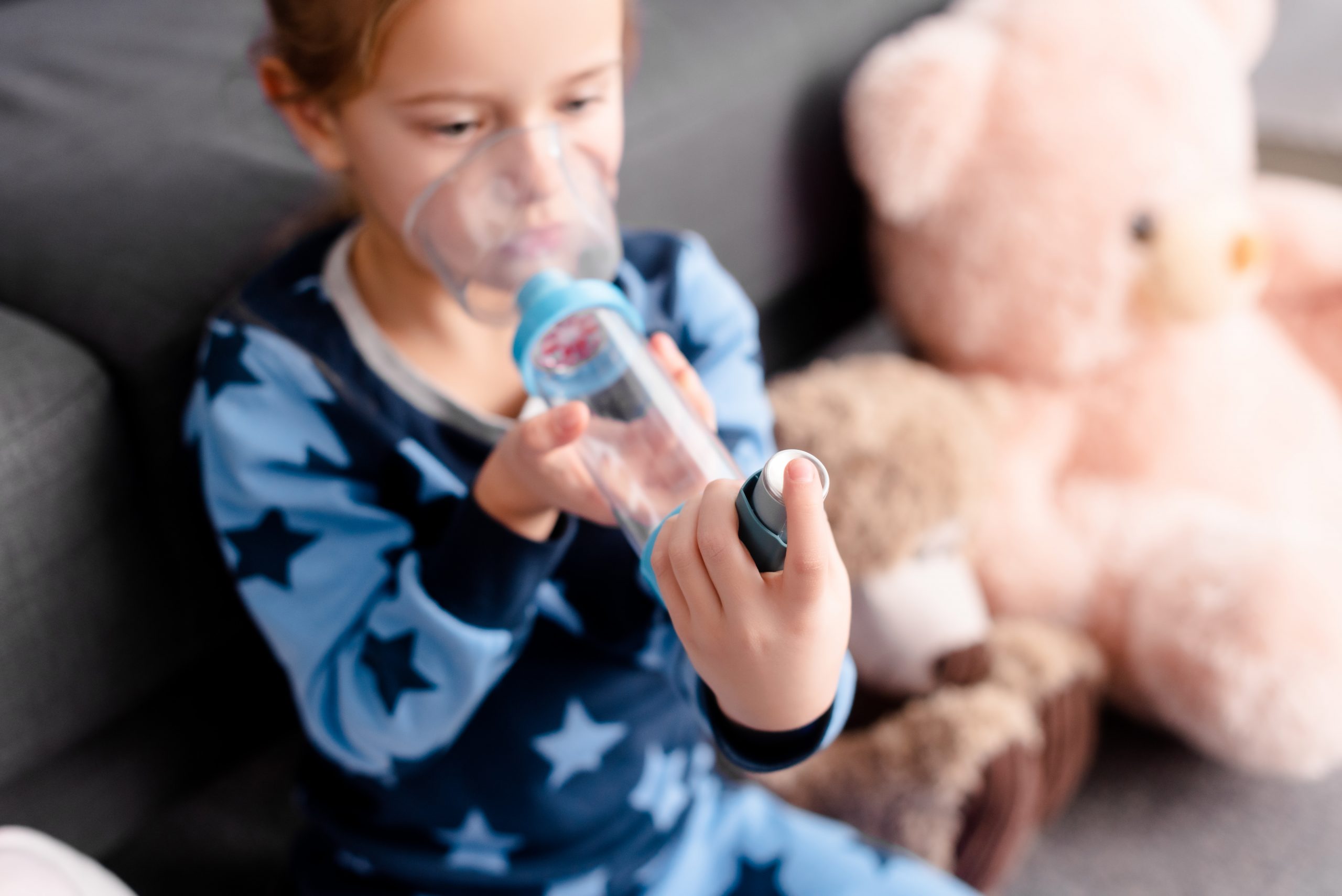
If a company provides only on-line videos yet declares to issue a full first aid certificate, reviewed the fine print thoroughly. Some workplaces and regulative bodies do not accept certificates without an evaluated functional part. As a parent looking for abilities as opposed to simply a piece of paper, you desire the hands-on area anyway.
Keeping skills fresh: why refresher courses matter greater than you think
One unpleasant fact concerning first aid is that skills decay swiftly without practice. Studies recommend substantial loss of cpr skill quality within 6 to 12 months after training, especially amongst non health experts who hardly ever utilize it.
For parents, that issues because a genuine emergency situation may not happen for many years, or ever. You are basically training for a high effect, radio frequency event. The body and mind forget.
Fast cpr correspondence course options exist specifically to resolve this. A 90 min express cpr training session yearly or more can restore confidence at a fraction of the time of a full course. Some companies make use of short "booster" drills where moms and dads practice compressions and choking treatments while getting comments tools on manikins.
A benefit of express first aid courses is that they are less intimidating to repeat. Moms and dads are far more most likely to sign up for a 2 hour refresher than for an additional full day every couple of years. When you are picking a supplier, it deserves asking beforehand about their refresher pathways and whether they offer price cuts or bundled packages for returning families.
The psychological side of first aid for parents
Technical training is just half the tale. The other half is managing the emotional turmoil of a real emergency.
Many brand-new moms and dads picture themselves panicking or fainting at the sight of blood. In method, the contrary typically happens. With some first aid training under their belt, a lot of parents describe a compartmentalising impact. They relocate right into "do the following step" mode, virtually mechanically, and only later on really feel the shock catch up.
This change originates from rehearsal. During an express childcare first aid course, you practice not just the physical maneuvers, yet the decision making procedure:
Is this life threatening?
Do I need to open the airway? Am I alone, or can someone else call emergency services? What is my initial intervention?That sequence ends up being acquainted. In an emergency situation, you do not need to transform it. You just go through the psychological list you have actually made use of before.
For some moms and dads, especially those with a traumatic birth experience or previous loss, a first aid course can stir up emotions. A competent instructor acknowledges that. They provide moms and dads permission to march for a couple of minutes, to sob if required, and to ask for a slower rate when reviewing resuscitation. If you understand this could be you, think about speaking with the instructor privately at the start, or picking a smaller express childcare first aid training team instead of a huge public class.
Integrating first aid into daily household life
Completing a first aid course need to not be a box you tick when and neglect. The understanding becomes most effective when you weave it silently into day-to-day routines.
You could develop a household certain emergency situation strategy, noting which medical facility you would certainly use, which neighbors you can call at night, and where the house tricks and clinical cards are kept. You can keep an easy, well stocked first aid set in the house and in the car, inspecting it every few months to replace used or expired contents.
Some households schedule an annual "safety check" day. They go through your house, adjusting cot elevations, home window locks, water temperature level settings, and furniture placement with the lens of injury prevention. This is not fear, it is simply applying the recognition that first aid training provides you to decrease the variety of emergencies you may face.
For moms and dads that employ babysitters, grandparents, or nannies, using or needing an express child care first aid course is just one of the most functional presents you can offer. Also if laws do not require formal fap first aid certification, the abilities are too vital to entrust to chance.
When to surpass first aid training and seek medical advice
One common worry after courses is, "I know exactly how to manage the first few minutes, but I am still uncertain when to see a physician or go to the health center." That uncertainty is regular. First aid is about prompt feedback, shortly term diagnosis.
Trainers should give you clear, conservative support. It is constantly acceptable to seek clinical suggestions when in doubt. Many emergency situation departments and rescue services release basic criteria for moms and dads, such as:
Persistent trouble breathing, including rapid breathing, groaning, or flaring nostrils.
Unresponsiveness, severe sleepiness, or trouble waking a child. A seizure in a youngster without a previous history, or a seizure that lasts longer than a few minutes. Severe burns, particularly on the face, hands, genitals, or over huge areas of the body. Indicators of major allergy, consisting of swelling of the lips or tongue, prevalent breakout, or collapse.First help does not replace medical treatment. It bridges the gap, turning defenseless waiting into deliberate activity. That frame of mind is just one of one of the most beneficial components of express child care first aid courses, and it has a tendency to spread into other locations of parenting: you become more proactive, more observant, and extra positive in your own judgment.
Making a practical plan for your family
If you are anticipating a baby, or have a youngster under five and no first aid training yet, the inquiry is not whether you must find out, yet how to do it in such a way that fits your life.
One reasonable pathway might appear like this:
During maternity or the initial year, both moms and dads or main carers participate in an express child care first aid course, personally, focused heavily on infant and kid cpr, choking, and major emergency situations. This establishes a strong base.
Within the next 12 to 24 months, one or both grownups finish an extra comprehensive first aid and cpr course, possibly one of the conventional workplace first aid courses, to expand abilities around trauma, health problem, and adult care.
Every one to 2 years afterwards, you schedule a fast cpr or fast first aid correspondence course, ideally one that allows practice with baby and child manikins. This maintains competence without calling for complete retraining.
Alongside this, CPR and first aid training certifications you construct easy practices in your home: easily accessible first aid products, emergency numbers noticeable near phones, and a harsh plan for that does what in a crisis.
None of this assures a smooth course with childhood years. No strategy can. What it does assurance is that when seconds matter most, you will certainly not be standing there empty handed, depending entirely on good luck and a smart device search. You will have practiced, you will recognize what "sufficient" resembles, and you will act.
Express first aid can certification in first aid not take away the threats of elevating youngsters, however it can transform that history concern into readiness. For a brand-new moms and dad, that change deserves a couple of hours in a class often times over.